
Managing Client Feedback Efficiently During Design Delivery

Head of Creative Services
26th February, 2026
Design delivery rarely fails because of tools or talent. It fails when feedback is misunderstood, mishandled, or taken personally. Over the years, one mantra has guided me through countless projects, clients, and review calls:
"Never ever design for yourself."
Design is not about personal taste. It’s about solving the right problem for the right audience - within real constraints. The moment a designer forgets this, feedback starts feeling like friction instead of fuel. This blog shares practical lessons from real design delivery - how to handle client feedback efficiently, respectfully, and professionally, without ego or blind agreement.
Design Starts With Alignment, Not Aesthetics
Before a single screen is designed, it’s critical to get on the same page with the client.
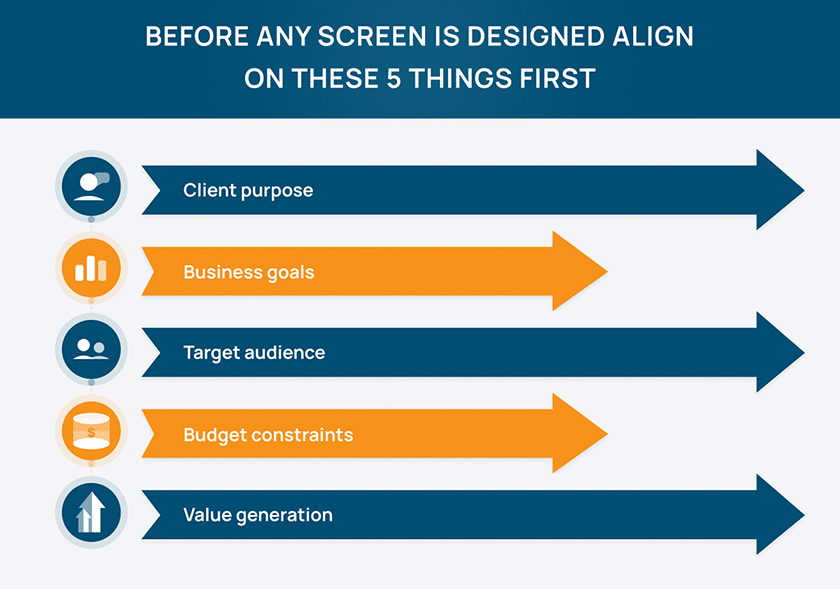
Good design begins by understanding:
- The client’s purpose
- Business goals
- Target audience
- Budget constraints
- Revenue or value generation plan
When these are clear, design decisions stop being subjective opinions and start becoming logical outcomes. Starting a project without this clarity is like not starting on the right foot - you’ll spend the rest of the journey correcting direction.
Design Is Subjective - Feedback Is Inevitable
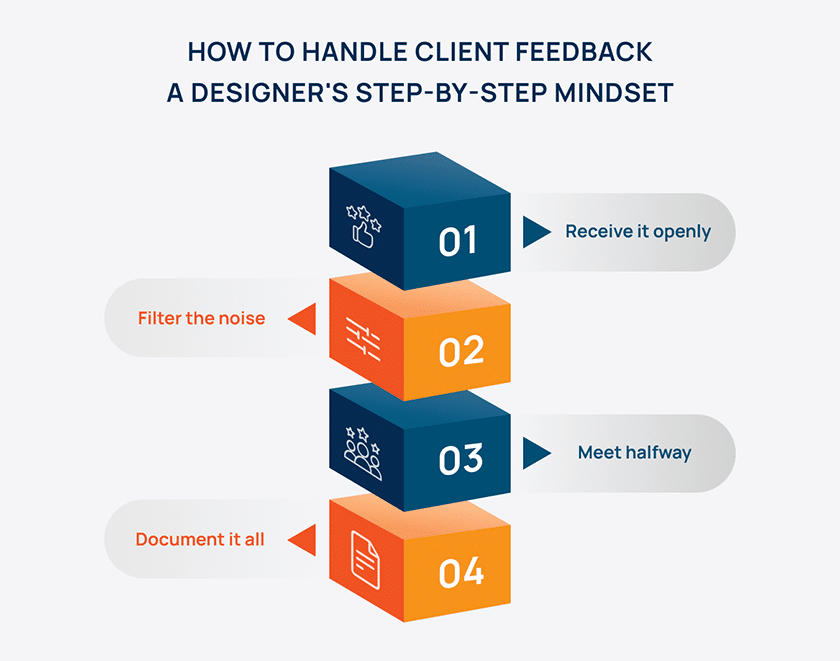
Design is subjective. That’s a fact. Anyone can comment on a design, and feedback can come from multiple directions. Sometimes too many cooks spoil the broth, but feedback itself is never the problem. How we handle it is. A good designer develops patience and learns to separate the wheat from the chaff - to filter meaningful input from noise. Feedback should be preserved positively, not resisted emotionally. Equally important is reasoning. A designer must be able to explain the thinking behind a design decision and also genuinely understand the client’s perspective. It’s not about proving who is right; it’s about meeting halfway. Personal preference has no place in a paid project. An ego-driven designer rarely builds long-term client trust - and vice versa.
Expertise Matters - But Blind Agreement Doesn’t
Respecting feedback does not mean following it blindly. Clients hire designers because they trust their expertise. If designers simply execute every instruction without thought, they dilute the very value they were hired for. Sometimes a client doesn’t see the bigger picture - and that’s okay. The designer’s role is to lay the cards on the table:
- What works
- What doesn’t
- Why a certain choice adds value
- How a decision impacts usability, performance, or business goals
Blind acceptance today often leads to going back to the drawing board tomorrow. Balanced guidance builds better outcomes.
Communication Is the Real Design Tool
More than tools, trends, or frameworks, communication is the key. Transparent and proactive communication keeps stakeholders in the loop and prevents confusion. When expectations, constraints, and next steps are clear, design and development move faster and smoother. Short summaries after reviews, clarity on what’s approved, and what’s pending help keep the ball rolling and avoid last-minute escalations.
Iteration Is Normal - Expect It
One-shot design approvals sound great, but they’re rare in real projects. Design is a process. Iterations are part of refining ideas and aligning expectations. Trying to boil the ocean in one round usually creates frustration on both sides. Accept a few rounds early. It saves time later.
Feedback Is Never a Waste of Time
One mindset every designer should adopt: "No one wastes time giving feedback." If someone is spending time reviewing and commenting, it means they care. Even repetitive or challenging feedback often comes from a genuine need or concern. Respecting feedback builds trust. Dismissing it damages relationships.
Documentation Saves You Later
Maintaining a client feedback log is not bureaucracy - it’s protection. Documented feedback helps avoid repeated discussions, prevents moving the goalposts, and provides clarity when questions arise later. It keeps everyone accountable and aligned.
Designer Checklist: Managing Client Feedback Efficiently
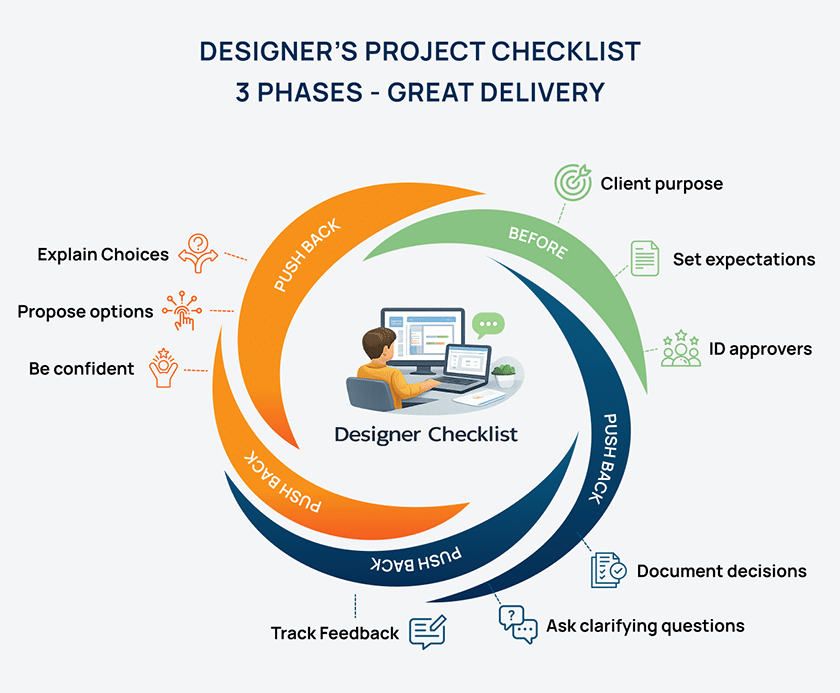
Before You Start
- Align on purpose, goals, users, and success metrics
- Define scope, timeline, review cadence, and approvers
- Identify real decision-makers (avoid too many cooks)
- Collect reference likes/dislikes with reasons
- Set clear feedback rules and tools (single source of truth)
During Design Reviews
- Design for users and outcomes - never for yourself
- Present designs with reasoning, not just visuals
- Keep the big picture visible, not only screens
- Ask for structured feedback (must / nice-to-have)
- Separate the wheat from the chaff
- Watch for scope creep and moving the goalposts
- Confirm decisions in writing after every review
When You Disagree With Feedback
- Don’t reject or blindly accept — meet halfway
- Explain impact in simple language (UX, cost, time, value)
- Offer limited options with a clear recommendation
- Be transparent—lay cards on the table
- Suggest tests or prototypes when needed
Communication Habits
- Keep stakeholders in the loop with short updates
- Maintain one feedback tracker
- Summarise next steps to keep the ball rolling
- Escalate blockers early
Feedback Log Must Include
- Date and design version
- Exact feedback
- Category and priority
- Decision and rationale
- Action owner and status
Iteration Mindset
- Plan for multiple rounds
- Tackle low-hanging fruit first
- Avoid trying to boil the ocean
- Close each round with clarity on what’s next
You May Also Read: The 5 Unspoken Rules That Keep Creative Teams Thriving
Final Thought
Efficient design delivery is not about ego, personal taste, or blind obedience. It’s about understanding people, balancing expertise with empathy, and communicating clearly. When designers respect feedback, guide clients thoughtfully, and document decisions well, both the design and the relationship succeed. That’s how you deliver great design - and earn lasting trust.

Abhijit SarkarHead of Creative Services
Head of Creative Services at Capital Numbers, Abhijit Sarkar brings 15+ years of experience in design and creative leadership. He specializes in translating business goals into impactful digital experiences through strong visual storytelling, UX thinking, and team mentorship. With a blend of creative expertise and strategic insight, he leads high-performing design teams delivering results for global brands.