Loading page…

The client’s order fulfillment application connects eCommerce platforms and a commonly shared supplier network. Pre-integrated with popular eCommerce platforms, this app gives eCommerce merchants a solution to update product catalogs (think fine art papers, frames, posters, coasters, and more), process bulk orders, and arrange direct dispatches from a single, intuitive dashboard.
Industry
eCommerce
Tech Stack
Country
USA
The client wanted an order fulfillment app to simplify life for eCommerce merchants by connecting their platforms to a shared supplier network. The goal? To automate order management, avoid delays, and let merchants focus on growing their business while leaving logistics to the supplier.
But turning that dream into reality wasn’t easy. For this setup to work seamlessly, all the moving parts—the supplier system, the order fulfillment app, and the eCommerce platforms—needed to talk to each other in real-time. That meant building heavy-duty API connectors, innovative plugins, and custom integrations.
Here’s how the client wanted the system to work: say a supplier updated their product info, like changing a price or marking something as out of stock, the API connectors needed to handle the changes and instantly show them up on all connected eCommerce stores. The result? No more manual edits, no messy data mismatches—just accurate info everywhere, all the time.
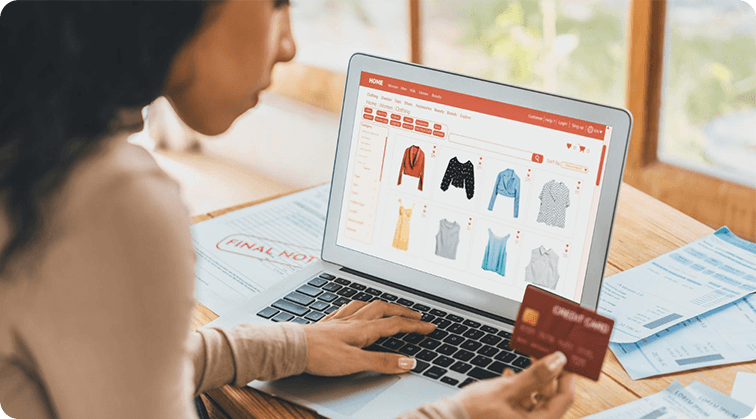
But it wasn’t just about real-time updates. Custom plugins also had to work like behind-the-scenes heroes, ensuring data was tweaked and formatted before hopping from one system to another. They also had to handle quirks because different eCommerce platforms put limits on how much data can be sent in one go.
There also had to be a process to handle bulk orders from stores. So, an Excel upload feature had to be installed in the eCommerce platforms to let store owners upload and push massive order files to the supplier in seconds, saving them hours of manual input.
Pulling all this off wasn’t easy; it needed thoughtful planning, spot-on execution, and top-notch engineering to connect all the moving parts. That’s where the client approached Capital Numbers to help them handle it all like a pro.
Capital Numbers rose to the challenge by building a smooth-running system where everything worked harmoniously. Here’s what we built: we created an ecosystem that connected the supplier’s .NET-based system to a MERN-based order fulfillment app, which then synced with eCommerce platforms like Shopify, WooCommerce, Wix, and others.
The secret sauce? API connectors. We developed API connectors as dynamic bridges that kept everything in sync. Here’s how they worked: when a supplier updated something—like changing a price or marking an item out of stock—the API connectors picked up that info from the supplier’s .NET system, sent it to the MERN app, and then pushed it to all the connected eCommerce sites. This happened in real-time, so online stores always had up-to-date product catalogs and information without anyone lifting a finger.
But that was not all. The magic worked both ways in the ecosystem. If customers placed bulk orders from the updated product catalog on any eCommerce stores, the API connectors automatically communicated the order details from the stores to the MERN app and then to the supplier’s system. Once the supplier got the orders, they handled the packaging and shipped everything directly to the customers.
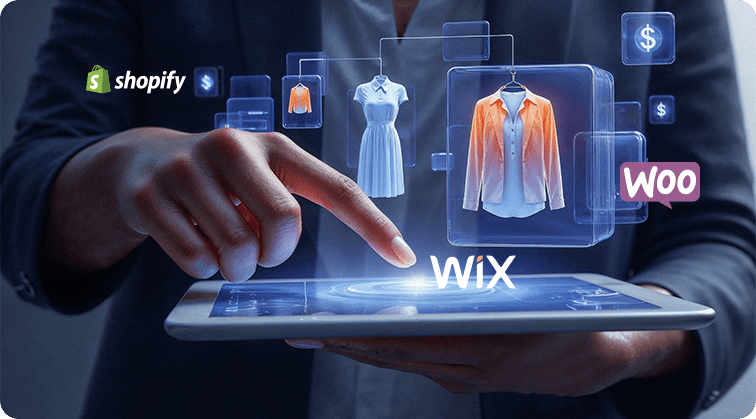
This two-way sync transformed a once-complicated process into an automated order fulfillment workflow. Store owners no longer had to stress about managing orders or the supply chain as the system did all the heavy lifting through automated processes.
Because every eCommerce platform has its quirks, we built custom plugins to handle them. Whether managing Shopify’s bulk inventory updates or seamlessly syncing data on Wix, the plugins ensured everything ran like clockwork, regardless of the platform.
We even added an Excel upload feature for stores processing large orders. If store owners wanted to upload an Excel file separately with all the order details—like product SKUs—they could easily do it, and the system would check for discrepancies in the file and then send it to the supplier for processing. No fuss, no extra effort, just streamlined order fulfillment.
In short, we turned a messy logistical headache into an effortless, automated dream, saving time, cutting stress, and letting merchants focus on growing their businesses.




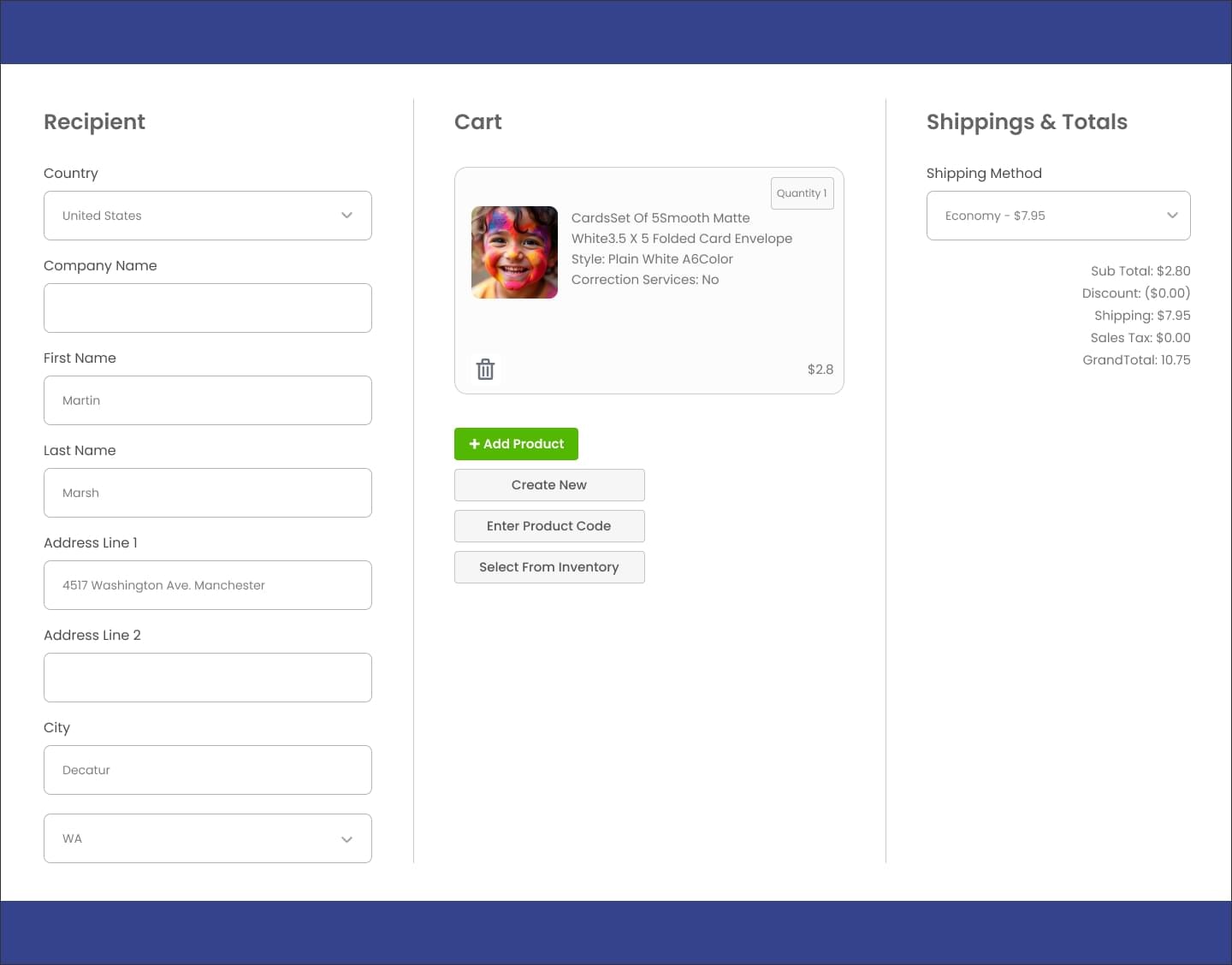
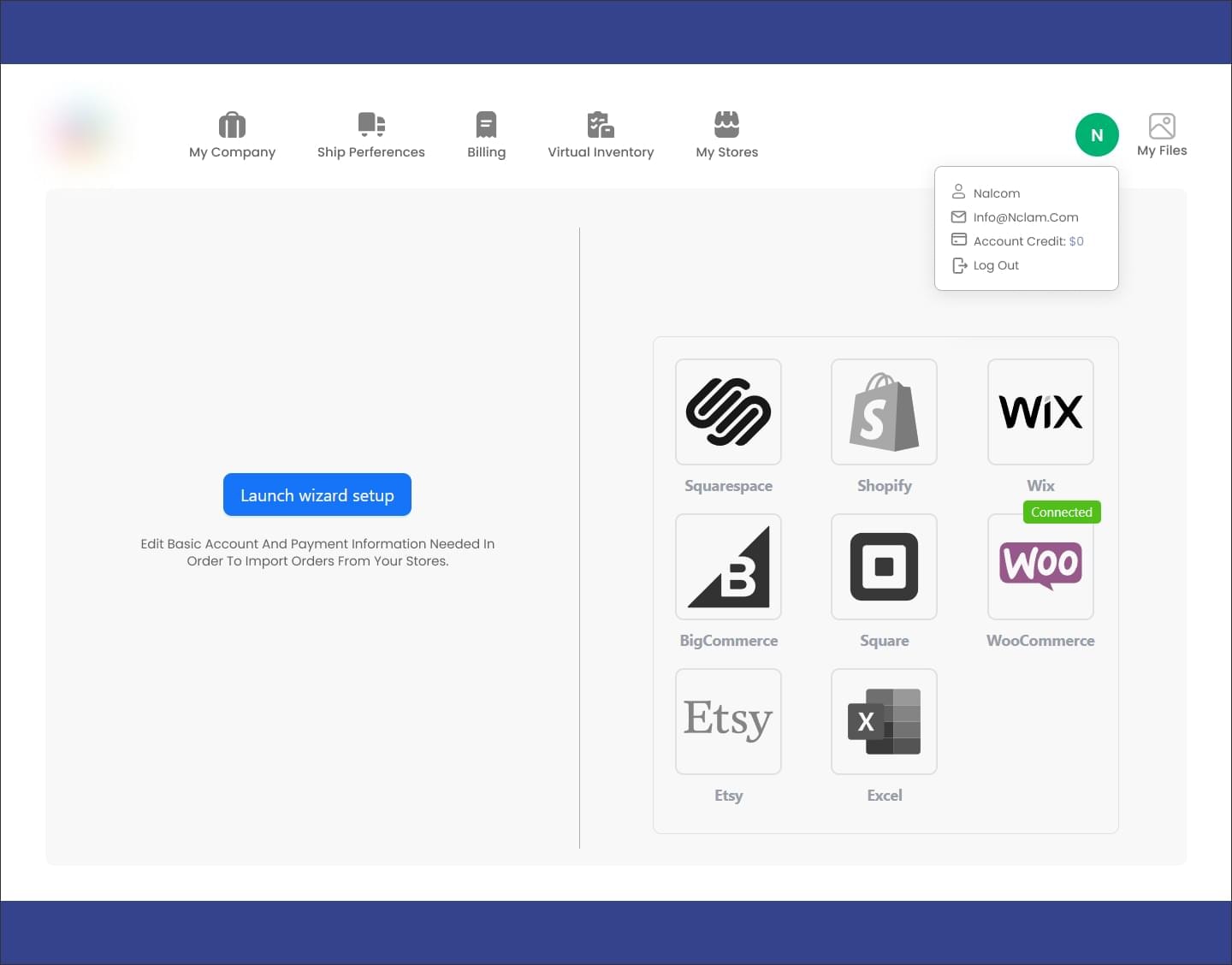
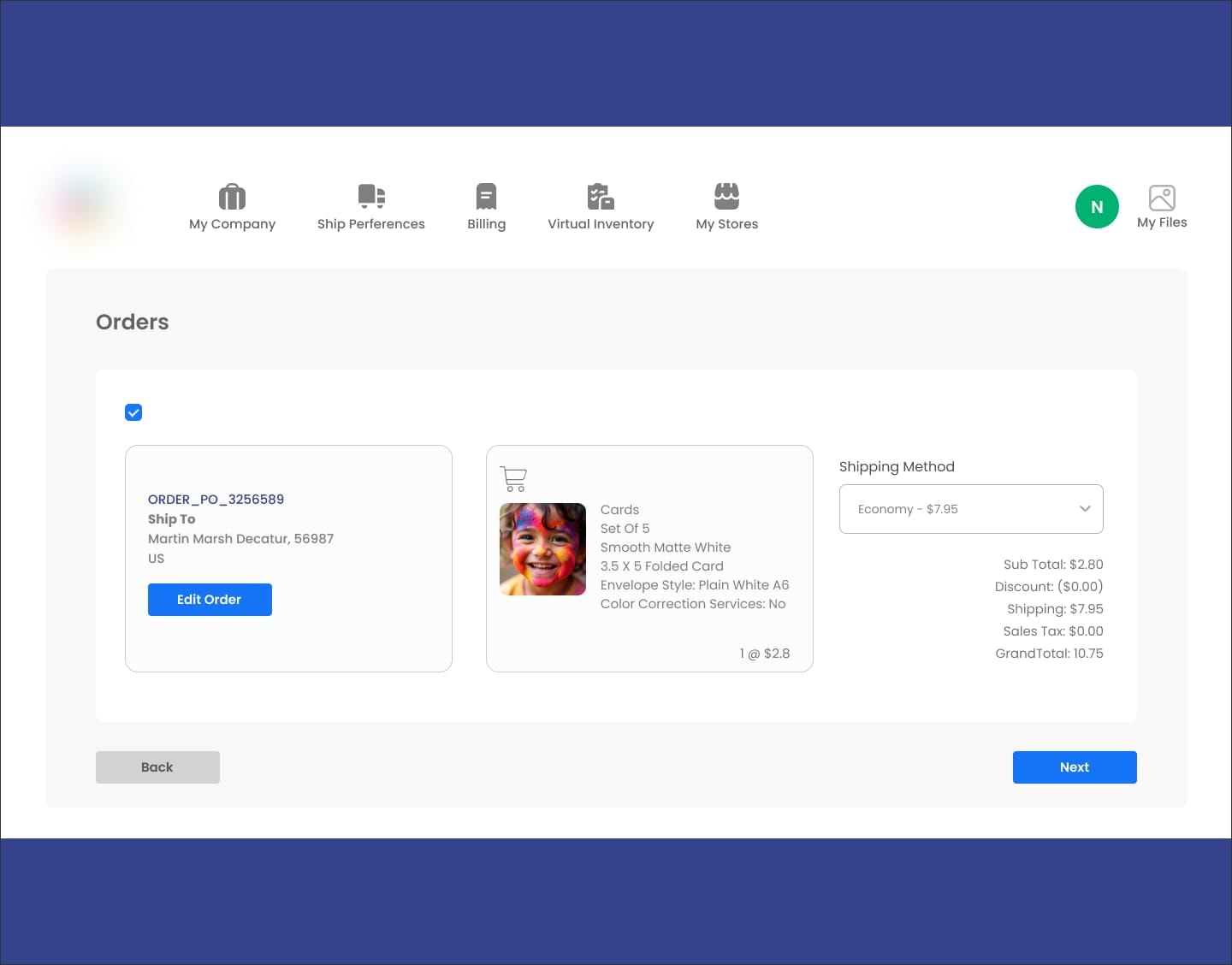
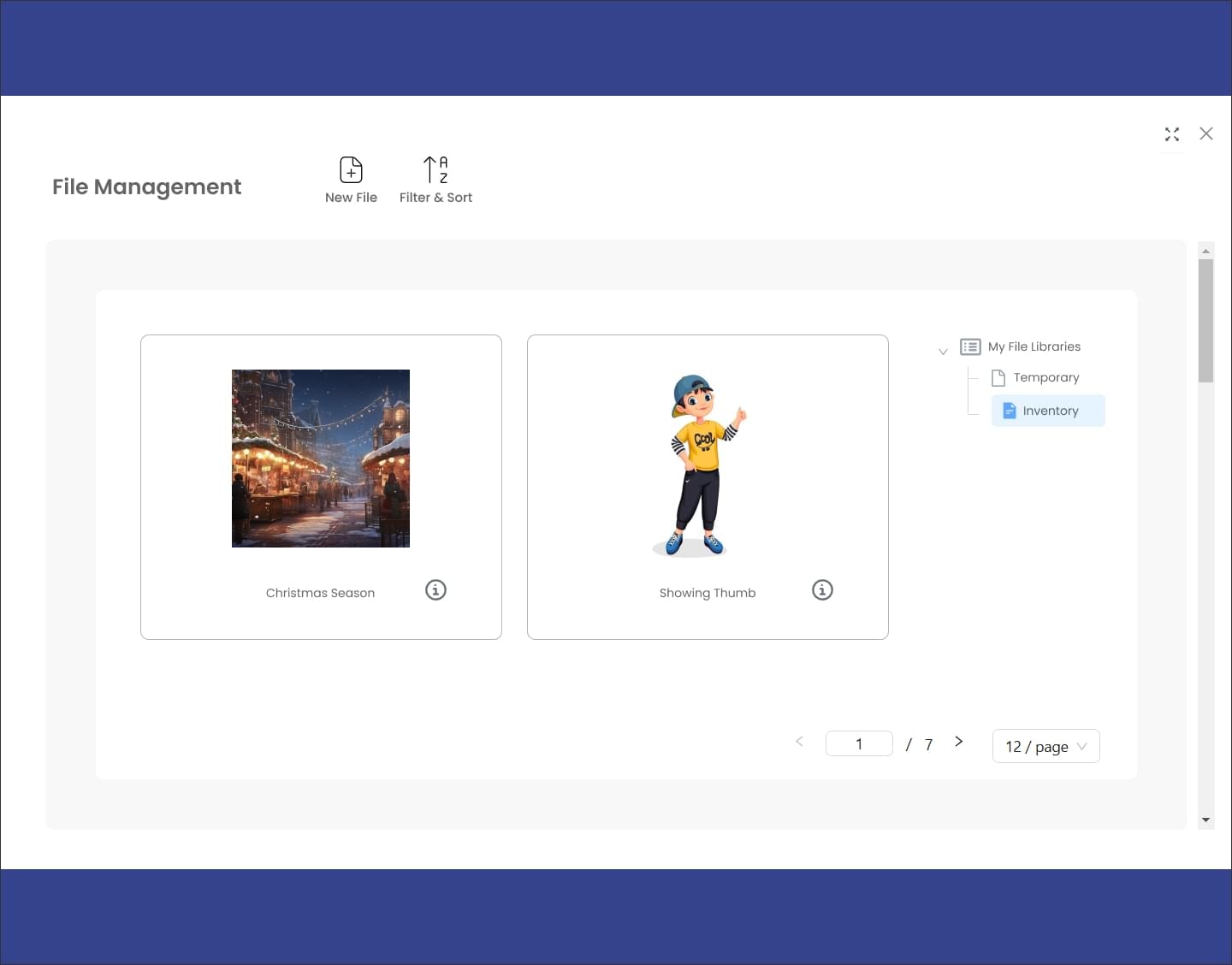
With this ecosystem now running on the client’s server, Capital Numbers made it easy for eCommerce merchants to win over more customers with flawless product catalogs—while offloading the headaches of order fulfillment and dropshipping to the supplier system.
Here’s a snapshot of the key benefits the ecosystem offers:
Routes orders from eCommerce platforms to the supplier system for effortless order fulfillment.
Consolidates all eCommerce orders into one supplier network, making dropshipping a breeze.
Manages orders from Shopify, Wix, WooCommerce, and more—all in one place.
Centralizes orders to make global dropshipping simple for eCommerce merchants.
Forwards bulk orders to the supplier in real-time, cutting down manual delays and effort.

Prevents overselling with real-time inventory sync between online stores and the supplier.
Matches product SKUs between stores and the supplier network for seamless operations.
Exports orders in Excel from stores to the supplier network, making order fulfillment seamless.
Suppliers handle packaging and shipping so merchants can focus on core goals.
Merchants operate without inventory storage by relying on suppliers for direct dispatch.
Merchants scale better knowing a system handles order dispatches on their behalf.

Industry: eCommerce

Industry: eCommerce
Industry: eCommerce

Industry: eCommerce

Industry: eCommerce

Industry: eCommerce

Industry: eCommerce

Industry: eCommerce