Loading page…

The client leverages a cutting-edge AI app that uses large language models (LLMs) to review company documents. By leveraging LLMs, the client effortlessly reviews large amounts of company documents and compares them against predefined regulations to ensure compliance.
Industry
Legal Services
Tech Stack
Country
UK
Before using LLMs for document and compliance reviews, the client depended on manual methods to perform the tasks. Customers would submit their companies’ policies and documents to the client for review. The client would manually examine the documents line-by-line and highlight areas of non-compliance.
However, the manual nature of the work soon led to delayed reviews. Due to the delayed processes, customers striving to meet time-sensitive compliance needs faced huge trouble. They gradually lost faith and moved away for better options.
Noticing the customer churn, the client considered an alternate solution: using advanced AI for the review work. When trained well, AI models can automatically scan vast amounts of documents and flag areas of non-compliance within a fraction of the time manual efforts usually take.

So, without much ado, the client looked for a technology company that could implement AI to accomplish their goals. After going through Capital Numbers’ past projects, they considered us the most reliable team.
They requested that we implement advanced AI tools like LLMs to speed up document and compliance review processes. Our challenge was to train LLMs so well that they transformed what typically took months into a process completed in mere days.
Before starting the project, Capital Numbers conducted a feasibility study of the project idea. We realized that using advanced AI to revolutionize the review process could help the client get first-mover benefits because the competitors didn’t quite tap into this space. So, we used our AI expertise to create a powerful web app that helps realize the client’s vision.
We built the AI-based app using Python, LangChain, large language models (LLMs), RAG architecture, Neo4j, and FastAPI. Python's robust architecture provided us with a solid backend foundation. LangChain helped us integrate LLMs in Python to generate human-like responses and reviews.
The RAG architecture enhanced the precision of the reviews by blending generative capabilities with real-time data retrieval. Neo4j enabled sophisticated knowledge representation, driving accurate AI-generated responses. FastAPI helped create a web framework for delivering high-performance APIs that brought the application to life.

A large part of our work involved extensively training the LLMs. We added well-thought-out prompts and responses to see if the LLMs can highlight regulatory gaps in documents.
We fine-tuned the LLMs with multiple scenarios to ensure they show compliance and non-compliance areas step-by-step so stakeholders can make informed decisions. We also trained the LLMs to suggest simplified language, especially when reading documents with unclear wordings. After performing thorough usability tests across the app, we made the solution available to the local server.


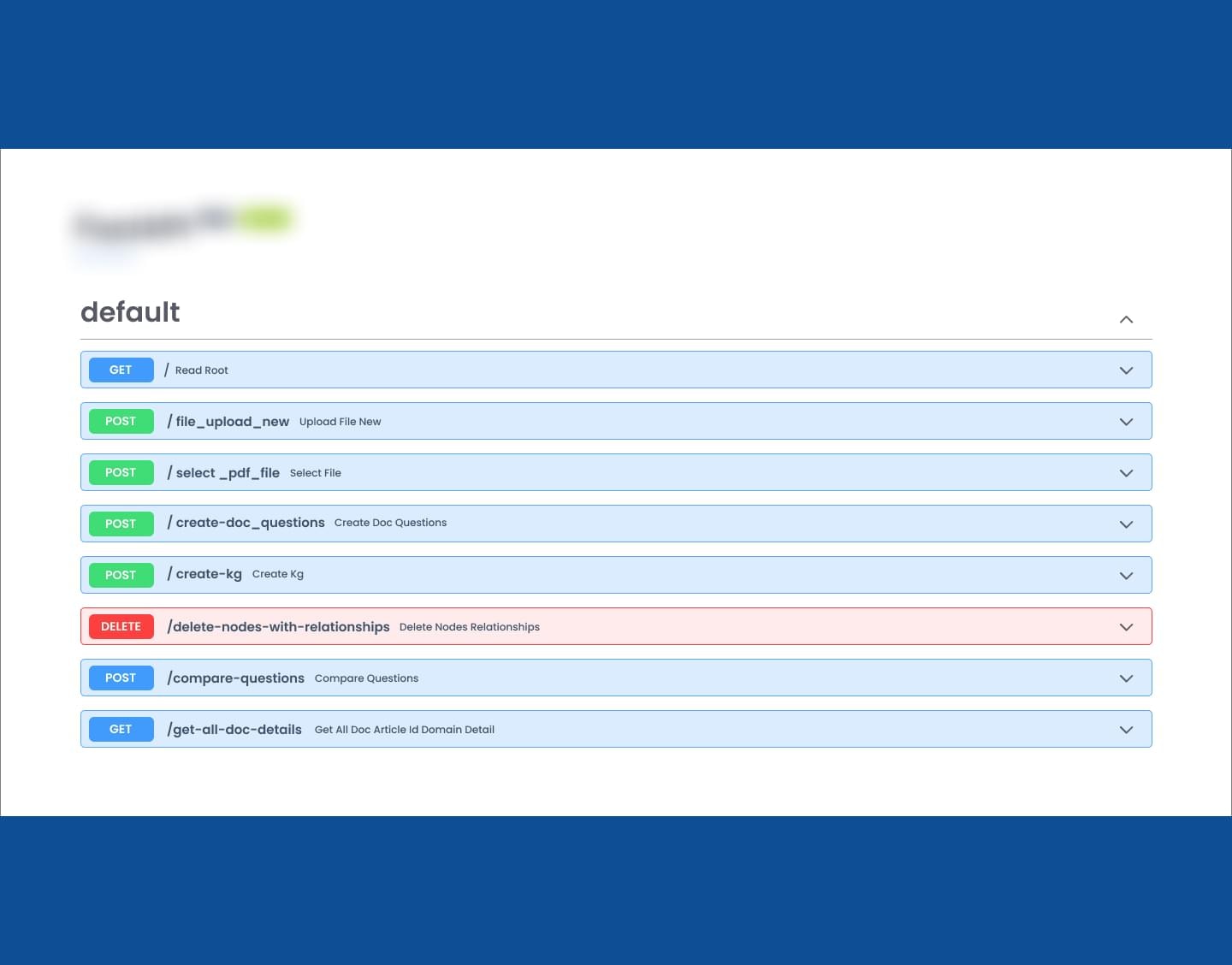
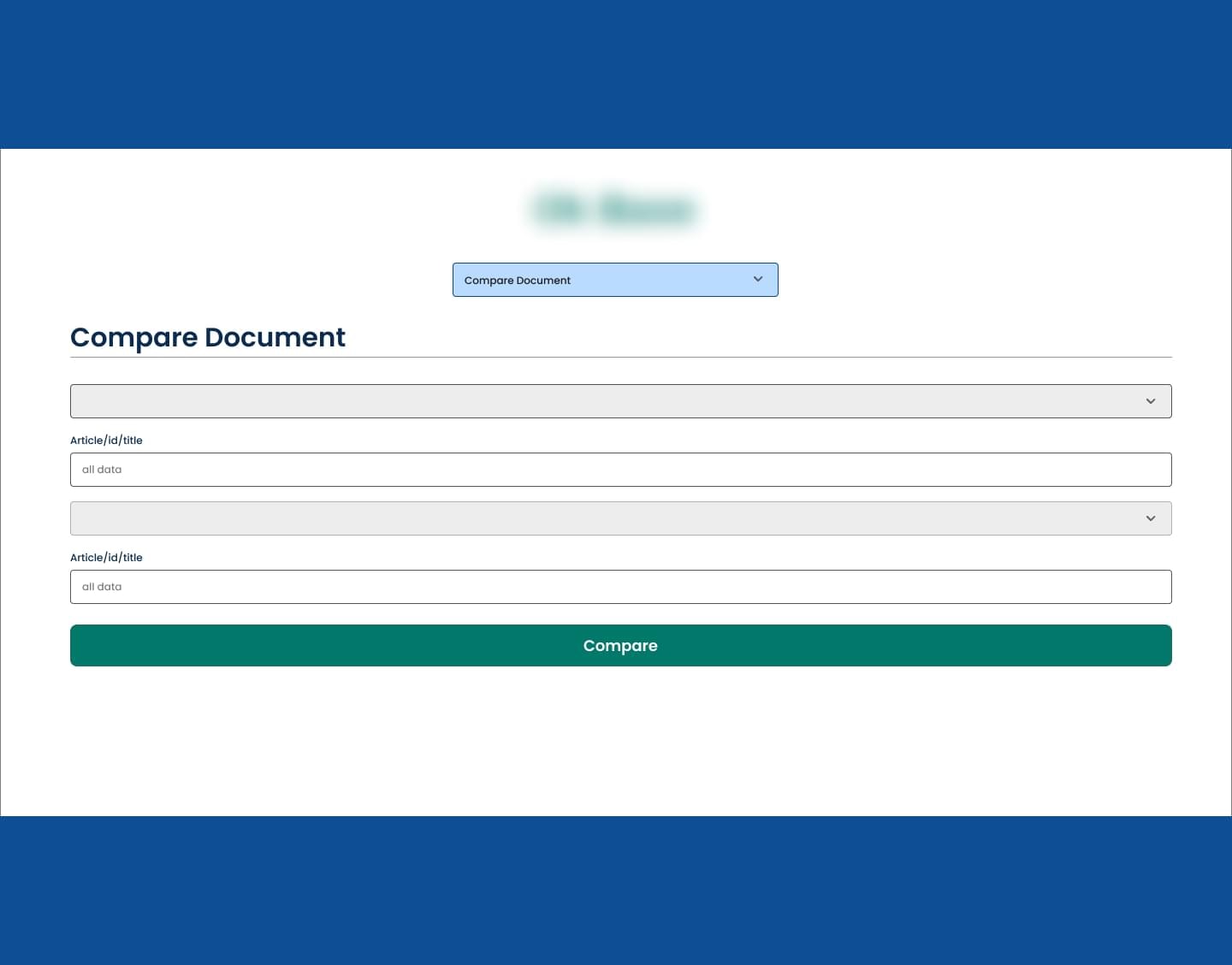
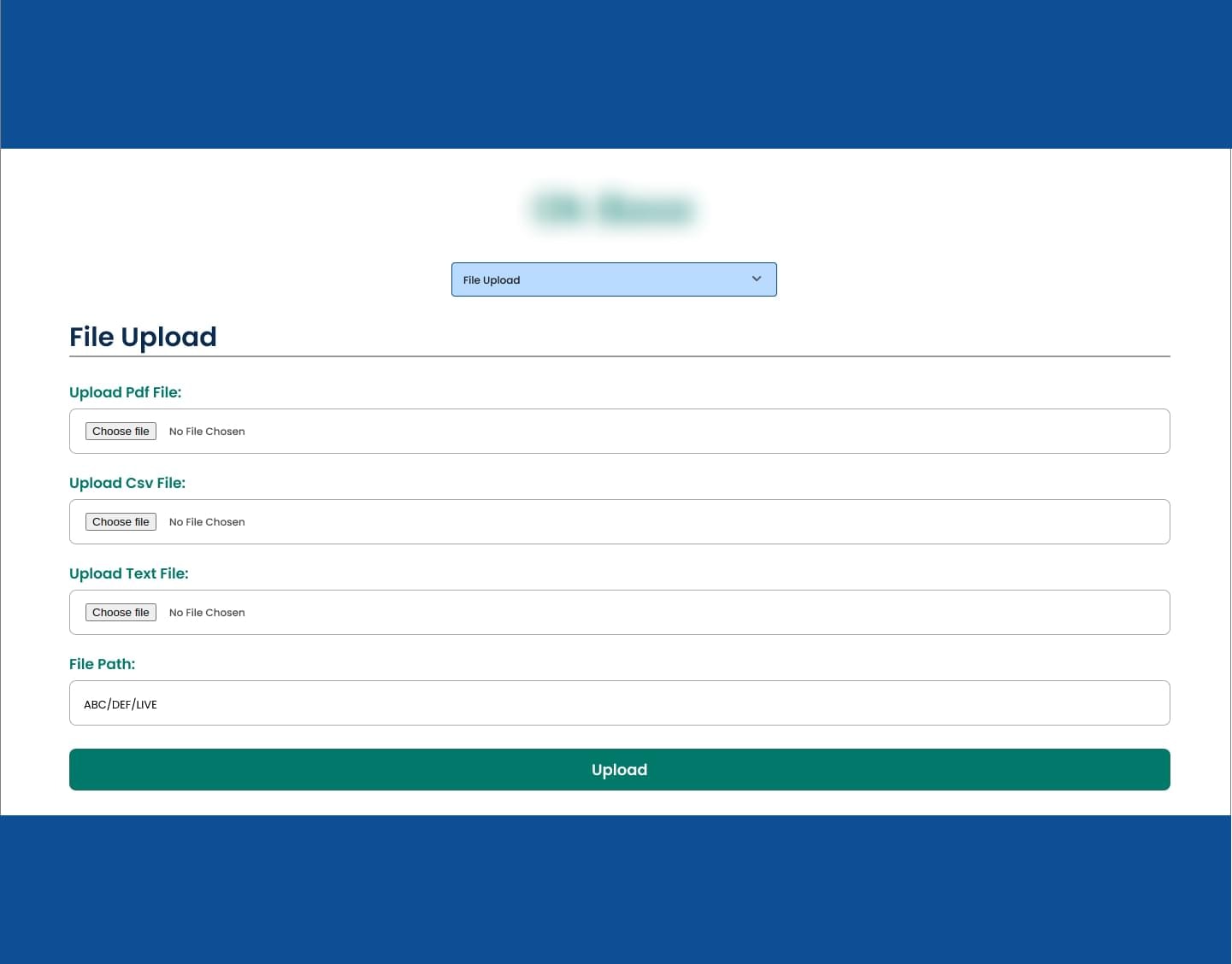
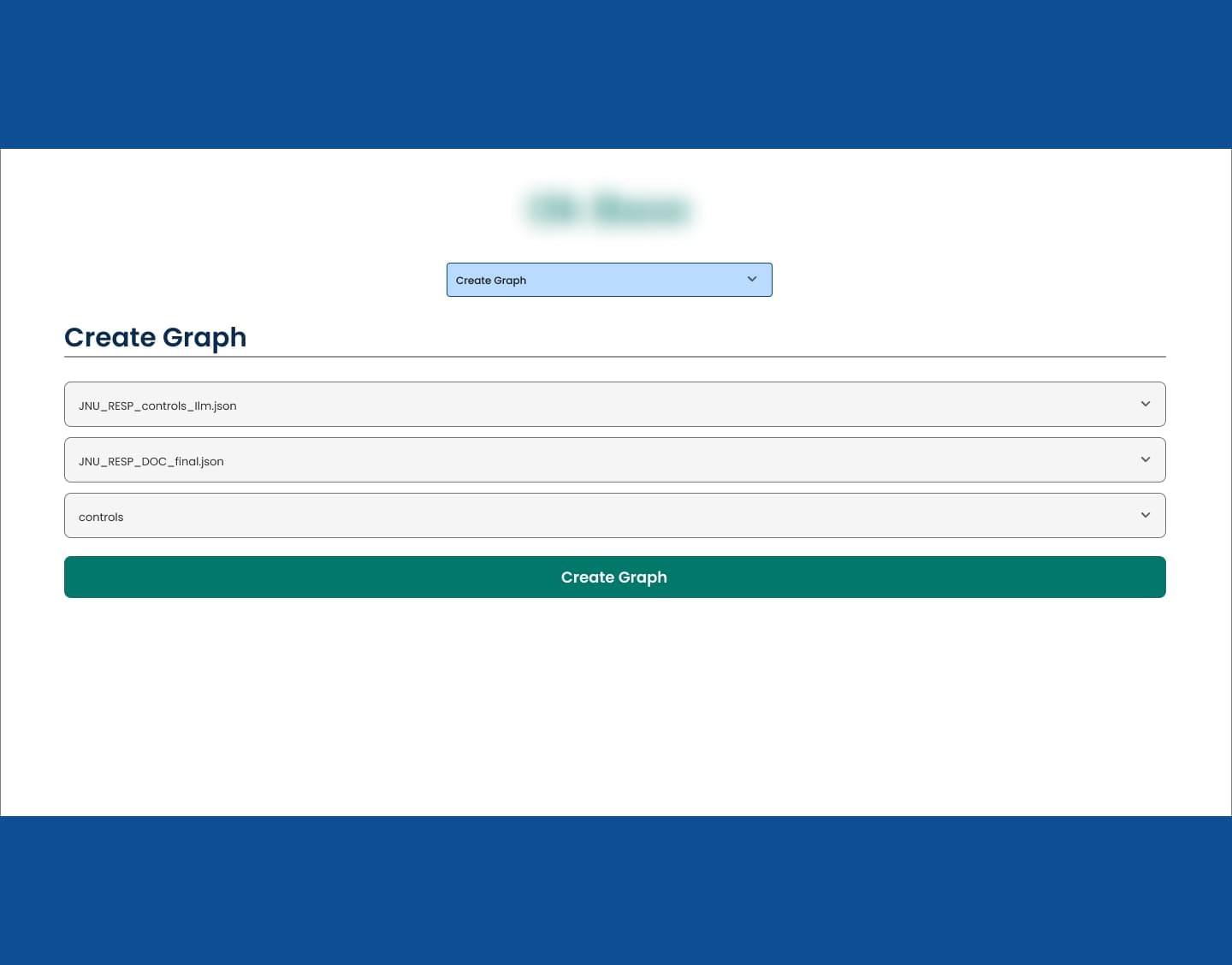
In 2 months, Capital Numbers successfully developed an LLM-focused app that completes reviewing piles of documents within a week instead of what took 60-odd days earlier. Our exceptional work helped the client become one of the first few to use LLMs for compliance.
Here’s an overview of the enormous benefits the LLM-powered application offers:
Document and compliance reviews are now 90% automated, thanks to our LLM solution.
LLM-based reviews help cut down on Turnaround Time (TAT), as opposed to manual efforts.
No matter the volume, the LLMs scan data much more rapidly than human reviewers.
LLMs quickly match countless documents against preset regulatory criteria.

By identifying subtle biases in language, LLMs bring objectivity to analysis.
By highlighting unclear words, LLMs reduce ambiguity in documents before they’re finalized.
LLMs help identify met and unmet regulatory criteria with greater speed.
Early identification of unmet criteria helps companies prevent risks of non-compliance later on.
Precise detection of regulatory gaps helps companies course correct before issues escalate.

Industry: Legal Services

Industry: Legal Services


Industry: Legal Services

Industry: Legal Services

Industry: Legal Services