Loading page…

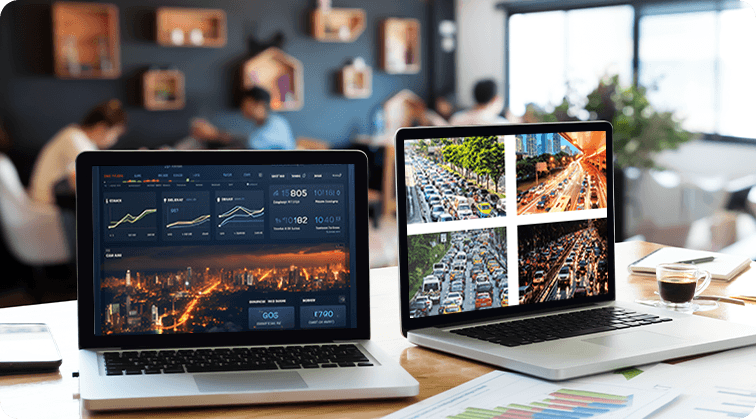
The client maintains a SaaS-based software app that offers road traffic monitoring solutions. Integrated with multiple CCTV sensors and data collection algorithms, the app gathers road traffic data. It generates analytics on driving speeds, pedestrian activities, traffic light malfunctions, and other incidents to help road authorities optimize travel routes and mitigate congestion.
Industry
Technology
Tech Stack
Country
USA
The client already maintained a legacy software app to manage road traffic density. However, it had a heavily outdated dashboard that didn’t have proper algorithmic structures or integrations to reflect road traffic data. Therefore, there was a flaw in data transmission and representation.
Road congestion would aggravate due to data silos. Response times would slow down. Incorrect road traffic data would compromise public safety on roads.
Ensuring data accuracy was of the utmost importance for seamless road traffic management. At this stage, the client contacted Capital Numbers and requested our team build a robust analytical dashboard to reflect accurate road traffic data.
They specified that the inability to fetch correct data negatively impacted city traffic flows and caused massive congestion. Traffic control rooms would get incomplete information. As a result, road authorities would find it challenging to perform functions such as:

Without clear data, road authorities would struggle to make informed policy decisions and plan infrastructure. So, Capital Numbers had to step in and leverage Data Structures and Algorithms (DSA) to provide reliable insights into road traffic data and lay the foundation of an intelligent traffic management system that enhances road safety.
Capital Numbers pooled its best-in-class DSA experts to do the job. Our experts started by integrating high-level data structures and algorithms into the app dashboard.
We incorporated data structures, like hash tables and trees, into the Angular-powered app dashboard. This allowed us to quickly access and process information, such as vehicle counts and incident reports, essential for real-time road traffic management.
We embedded complex algorithms for analyzing traffic patterns, predicting congestion, and optimizing traffic flows. For example, shortest path algorithms helped us determine the quickest routes for emergency vehicles, and sophisticated algorithms helped us predict traffic trends based on historical data.
Data structures like queues and hash maps helped us manage and organize information such as vehicle types and traffic signal lights. Graph algorithms helped us model road networks to find and detect congestion points, while optimization algorithms helped us dynamically adjust signal timings based on current traffic conditions.
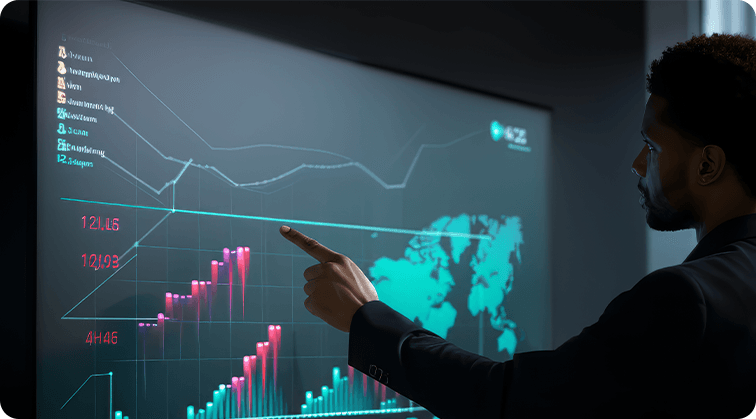
Additionally, linear interpolation formulas helped us smoothly estimate traffic density at specific road intersections. Advanced image processing algorithms helped us detect accidents, stalled vehicles, and parking spaces.
In addition to the above, we incorporated color-coded polylines on Bing maps to differentiate between different types of cables and their specific functions, reducing the risk of errors during roadside repairs. We made this visual distinction to help technicians quickly locate and identify different cable pathways that may run close to each other, preventing accidental damage during maintenance work.
A lot of graphical representations were done using Kendo UI for high-quality visualizations. We also used TypeScript to adjust and fine-tune various frontend elements.
It took us around three years to develop and sync all the above algorithms, data structures, and visualizations with the .NET-powered app backend. We worked on the project using Azure DevOps deployment pipeline to ensure every integration is automatically tested and deployed to the Visual Studio Community source control, reducing configuration drift and deployment issues.


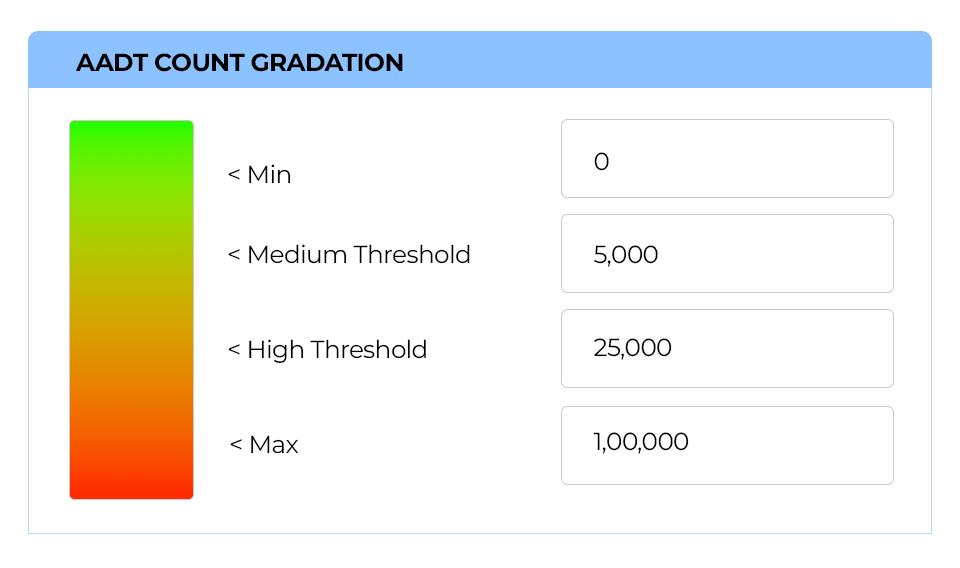
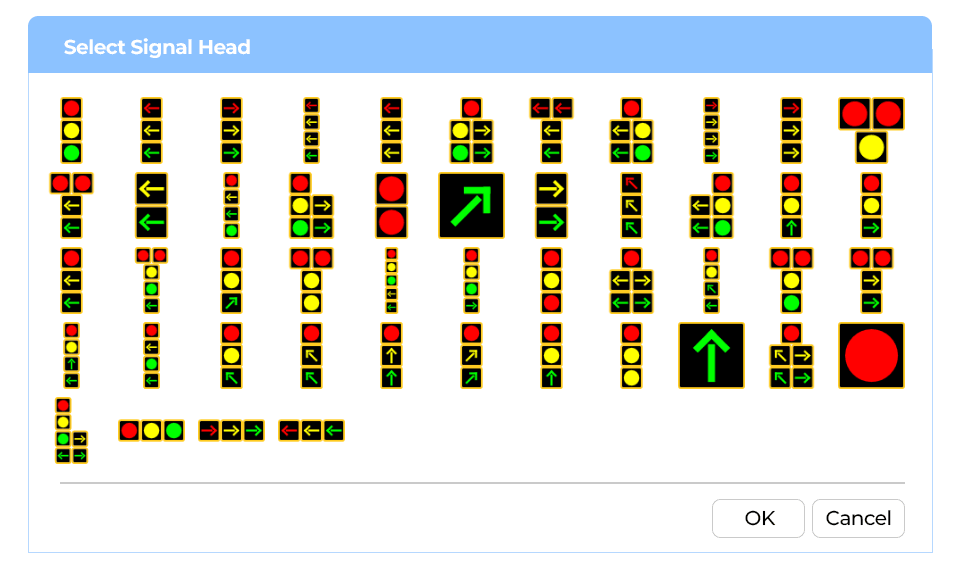
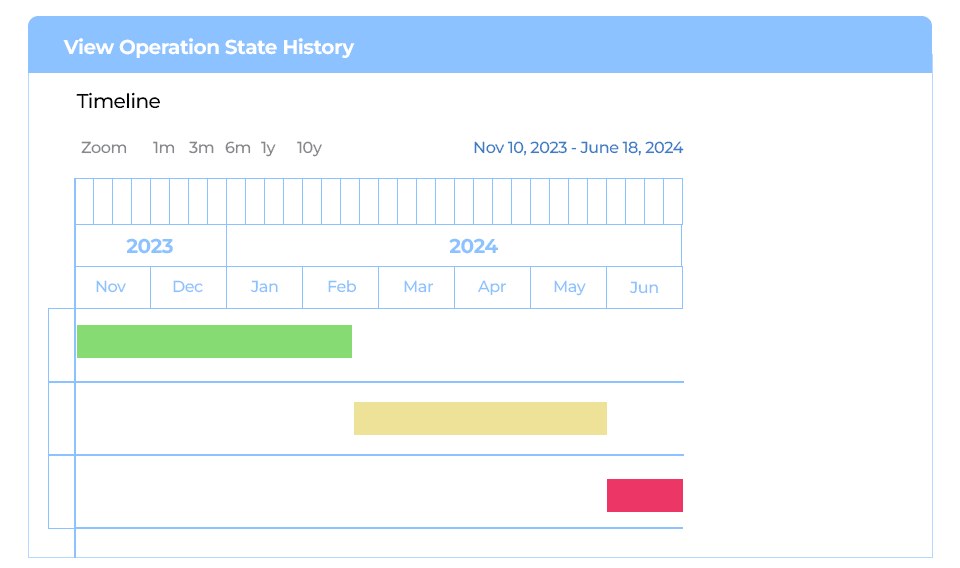
Capital Numbers’ profound algorithmic knowledge and mastery led to the successful deployment of a high-level traffic monitoring app. Road authorities can now use this SaaS app to monitor traffic flows in and around their cities. Here’s a lowdown of the benefits the app offers:
It enables traffic authorities to detect congestion, accidents, and other incidents in real-time.
The software facilitates quick identification of overburdening of roads, enabling authorities to clear obstructions.
It allows for dynamic control of traffic signals based on current traffic conditions, reducing delays at intersections.
It consolidates data from various sources, such as cameras, sensors, and GPS devices, providing a unified view of traffic flow.
By analyzing historical data, the software predicts traffic patterns and potential problem areas.
It provides real-time recommendations for alternative routes to drivers during road closures or construction work.
It helps manage different lanes, including dedicated bus lanes, high-occupancy vehicle (HOV) lanes, and reversible lanes.
It helps enforce speed limits by integrating with speed cameras and variable speed limit signs.
It allows authorities to detect pedestrians and cyclists at intersections and designate dedicated crossing times for them.
It provides visual detection of roadside parking spaces and available spots.
It reflects polyline-coded geospatial maps to represent underground cables visually, minimizing the risks of damage during excavation work.
It helps allocate resources more effectively, ensuring that traffic management personnel are deployed where they are most needed.
Data-driven insights now help locate high-priority development areas, leading to mindful infrastructure planning without causing congestion.



Industry: Technology


Industry: Technology


Industry: Technology

Industry: Technology

Industry: Technology

Industry: Technology